Energy
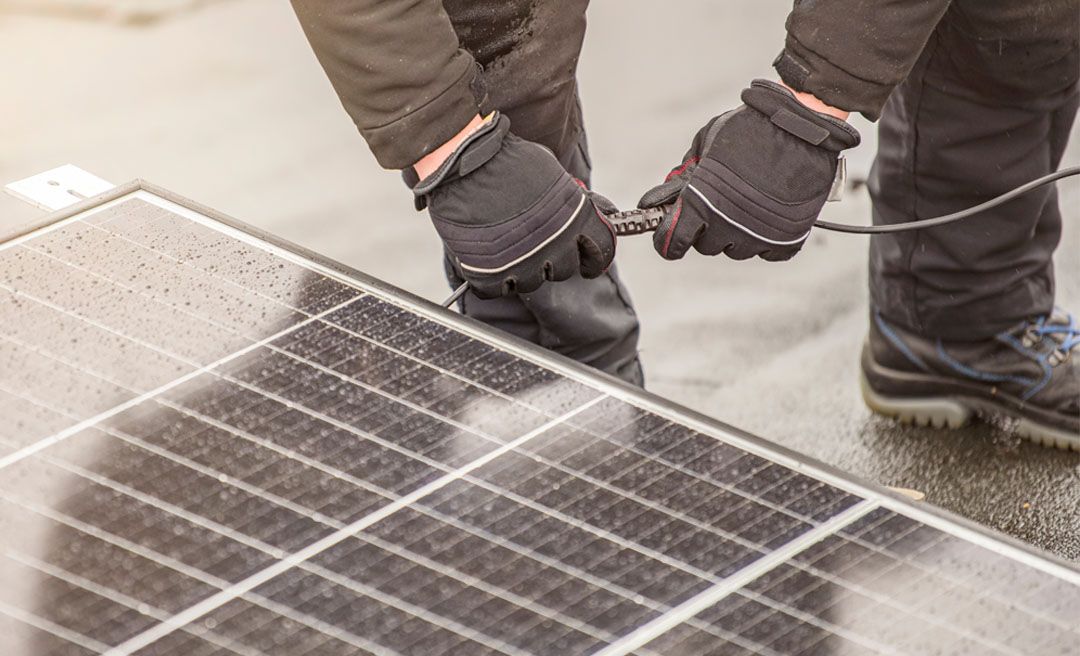
Goal: Reduce energy use by 50% at Great Parks’ 2030 District member destinations.
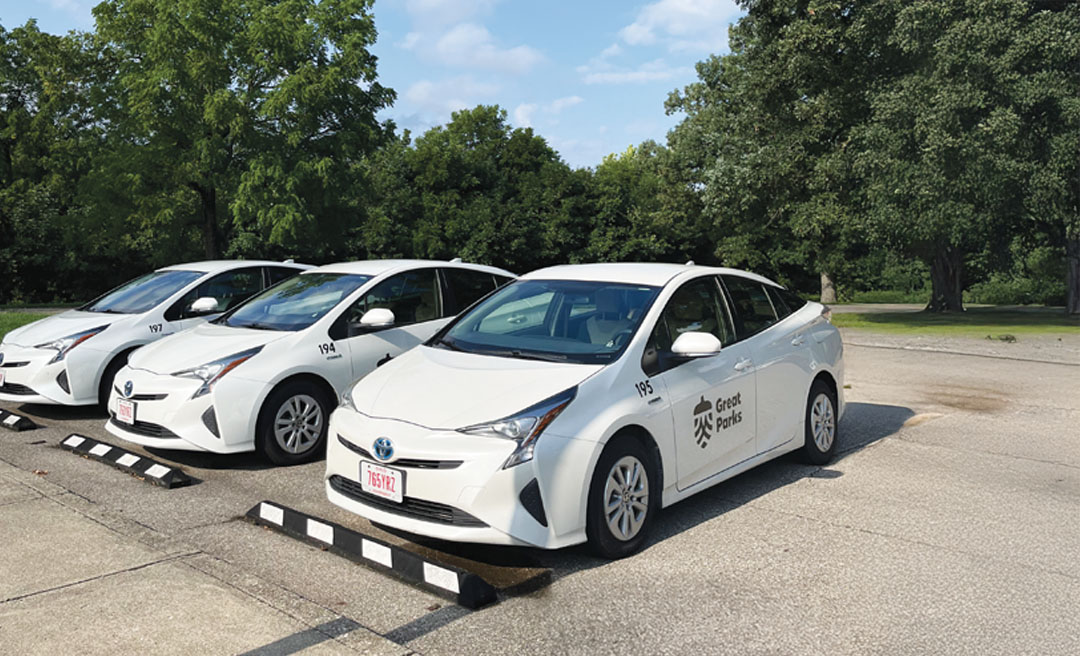
Currently, finite energy sources known as fossil fuels (natural gas, oil, coal) power most buildings, systems and vehicles in the world. Unfortunately, burning fossil fuels for energy negatively affects the environment and human health. Great Parks has an opportunity to be a leader in reducing energy consumption, minimizing its impact on the grid and facilitating a path to meet 2030 District reduction objectives.
Water
Goal: Reduce building-level water usage by 50% at Great Parks’ 2030 District member destinations. Protect and conserve water resources and aquifers.
Great Parks has over 213 miles of waterways, including 25 miles of waterfront along four major rivers. As the effects of climate change intensify, managing stormwater will become increasingly important to minimize damage to our lands, communities and river and stream systems. Great Parks is committed to conserving surface water resources for wildlife habitat and filtering and recycling water for use where appropriate. These water bodies are an infrastructure to our region, providing habitat for various plant and animal species, drinking water, irrigation and many more uses. Protecting and restoring these features demonstrates how people can work with natural processes to generate healthy waterways and viable ecosystems that positively serve all life.
Biochar Project
Great Parks is constructing a new composting facility at Winton Woods as part of a pioneering collaboration with Cincinnati Parks to produce biochar, a carbon-capturing material that improves soil health and helps combat climate change. The project repurposes waste materials, including manure from Winton Woods Farm & Equestrian Center and wood debris from Cincinnati Parks, into a soil additive that sequesters carbon while supporting tree growth, landscaping, stormwater management and urban canopy health. Among the first of its kind in the United States, the project aims to capture hundreds of tons of carbon dioxide annually and produce biochar for both internal and commercial use. The composting facility is expected to be completed in spring 2026.