Sharon Lake Improvement Project
Sharon Lake Improvement Project
Projects at Great Parks
Sharon Lake Improvement Project

Project Dates
 CONSTRUCTION START: Spring 2024
CONSTRUCTION END: March 2026
CONSTRUCTION START: Spring 2024
CONSTRUCTION END: March 2026
Severe sediment accumulation, harmful increases in nutrient values and aggressive aquatic vegetation threatened the long-term health of Sharon Lake. Dredging was the solution for removing the excess sediment. With extensive planning and community input, Great Parks drained the 35-acre lake in spring/summer 2024 before repositioning the buildup of soil and silt.
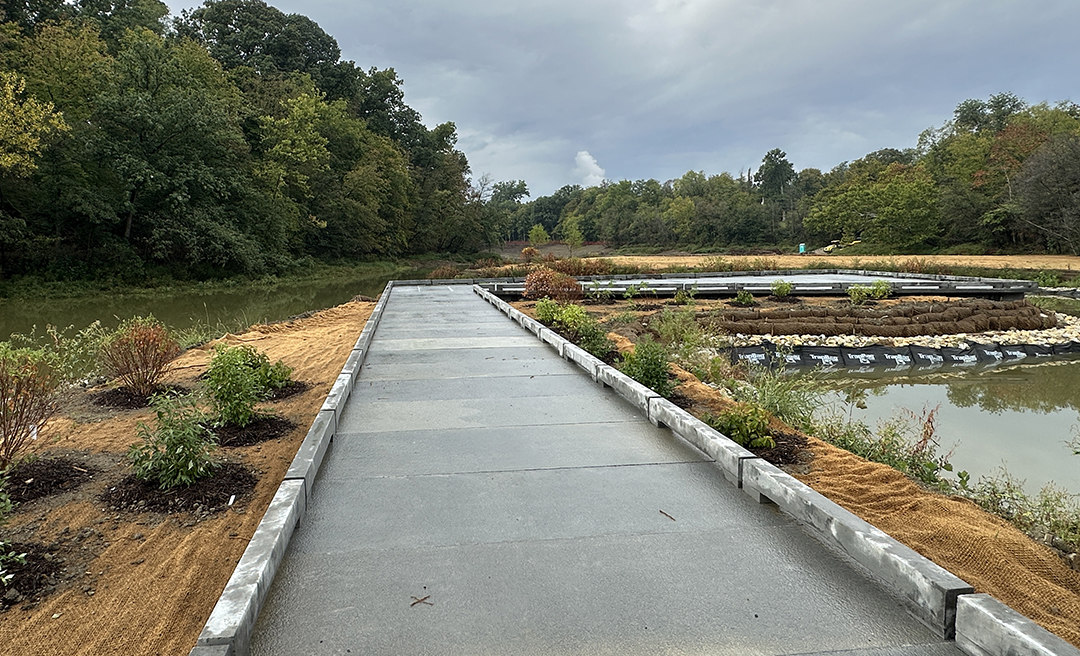
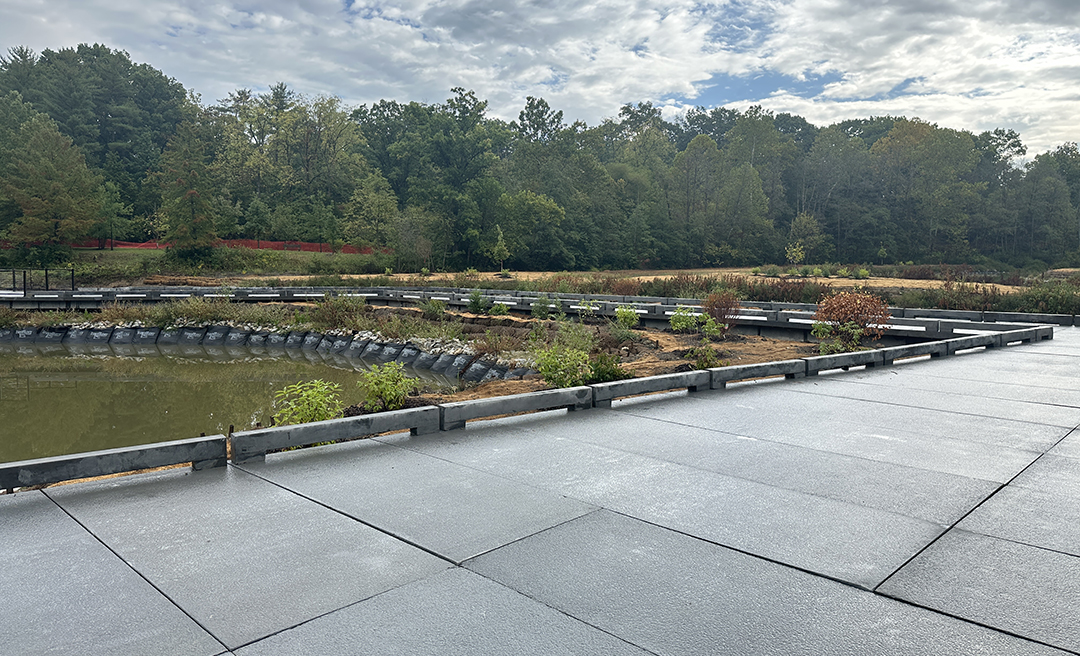
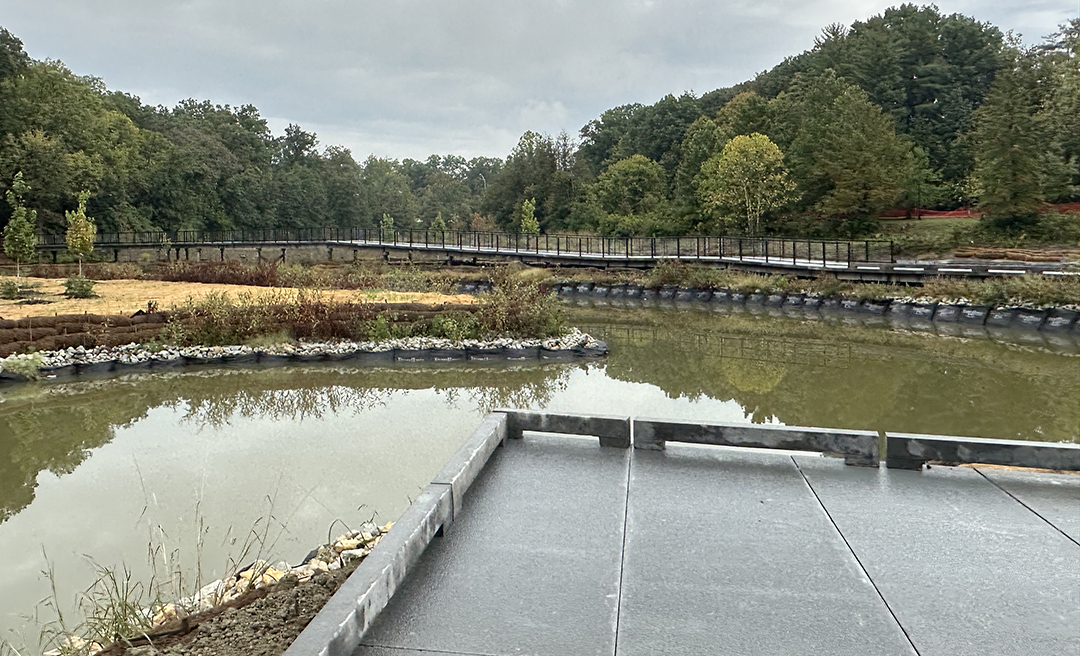
One of the largest projects in Great Parks’ history, the Sharon Lake Improvement Project doubled the lake's existing wetland areas to create healthier wildlife habitats. New amenities like boardwalks, fishing piers and a floating kayak launch enhance recreational opportunities and expand public access to natural areas around the lake. The project was guided by Great Parks’ Comprehensive Master Plan and Park & Facility Master Plans, completed in 2019 to establish a community-driven vision for parks, facilities and services. Project planning was shaped by key implementation priorities identified through the master planning process, which include building ecological resiliency and expanding access for all users.
Construction Impacts & Closures
The following were closed for the duration of the project:
- Sharon Lake
- Boathouse
- Sharon Lake Trail
- Lakeside Lodge
Project Timeline
| DATE | ACTIVITY |
|---|---|
| Winter/Spring 2024 | Permitting and draining preparation |
| Spring/Summer 2024 | Lake draining begins |
| Summer/Fall 2024 - Winter 2026 | Construction underway |
| March 2026 | Sharon Lake & Sharon Lake Trail reopen |
Downloads
Contact Us
For additional questions about the project, contact Great Parks.
Frequently Asked Questions
Sediment is the buildup of fine soil particles that can reduce water quality and impair aquatic wildlife habitats. It comes from outside the boundaries of the park from erosion in tributaries.
Dredging is the process of removing sediment and other materials built up in a body of water.
Great Parks dredged Sharon Lake because sediment accumulation, excess nutrients and aggressive aquatic vegetation reached the point of threatening recreational opportunities and aquatic habitats.
The collection of silt at the bottom of a manmade lake is a natural process in the lifespan of a reservoir. It is accelerated in Sharon Lake due to dense development in the watershed that is outside Great Parks' ownership. Sharon Lake has been previously dredged since it was built by the U.S. Works Progress Administration (WPA) in the 1930s.
Dredging Sharon Lake temporarily disturbed lake ecosystems as sediment was removed, but it will result in improved aquatic habitats and increased recreational opportunities for park guests, including increased educational opportunities through the new wetlands boardwalk.
After the new wetlands reconfigure the shape of the lake, future boating opportunities include kayaks, canoes and paddleboats. Motorboats are no longer permitted at Sharon Lake, but they can still be used at Winton Lake and Miami Whitewater Forest Lake.
Great Parks added pedestrian-activated rectangular rapid flashing beacons (RRFB), traffic calming features and crosswalk striping. This crossing was thoroughly evaluated by traffic engineers and was built in coordination with the City of Sharonville.
Involved parties included Great Parks, the Ohio Department of Natural Resources (ODNR), Environmental Protection Agency (EPA) and U.S. Army Corps of Engineers (USACE).
Great Parks held a widely promoted public open house in June 2023 at Sharon Center, and invited community feedback through direct mail, social media, email distribution and its website.
To allow fish to repopulate, fishing is prohibited at Sharon Lake for several years after the project's completion. Great Parks must finalize work on new habitats and restock the lake multiple times beginning in spring 2026. Fish introduced to the lake are very small "fingerlings," roughly the size of human fingers. The fish will grow as food sources become more plentiful, including vegetation, insects and smaller fish. Great Parks will monitor the population as it expands, and once it demonstrates stability and sustainability, the lake will reopen to fishing.
COST & FUNDING
Special Thanks
The cost of design and construction totaled more than $17 million.
For their support of the project to date, Great Parks extends sincere thanks to:
- Greater Cincinnati Foundation
- Anonymous Foundation
- Duke Energy Foundation
- Land & Water Conservation Fund
- State of Ohio Capital Improvement Funding
Great Parks is providing the remaining funds through its capital project budget, additional grants and other funding sources.